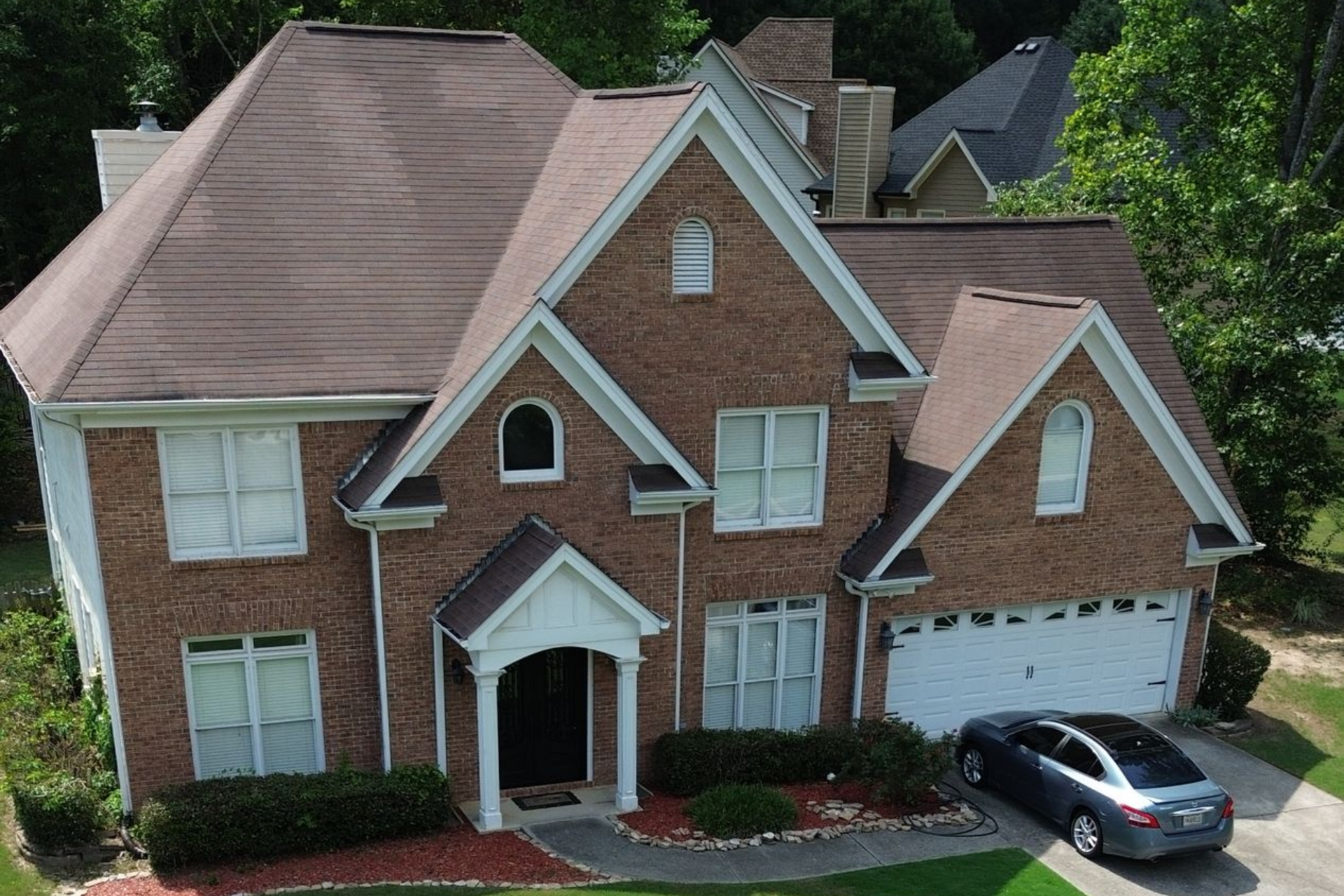
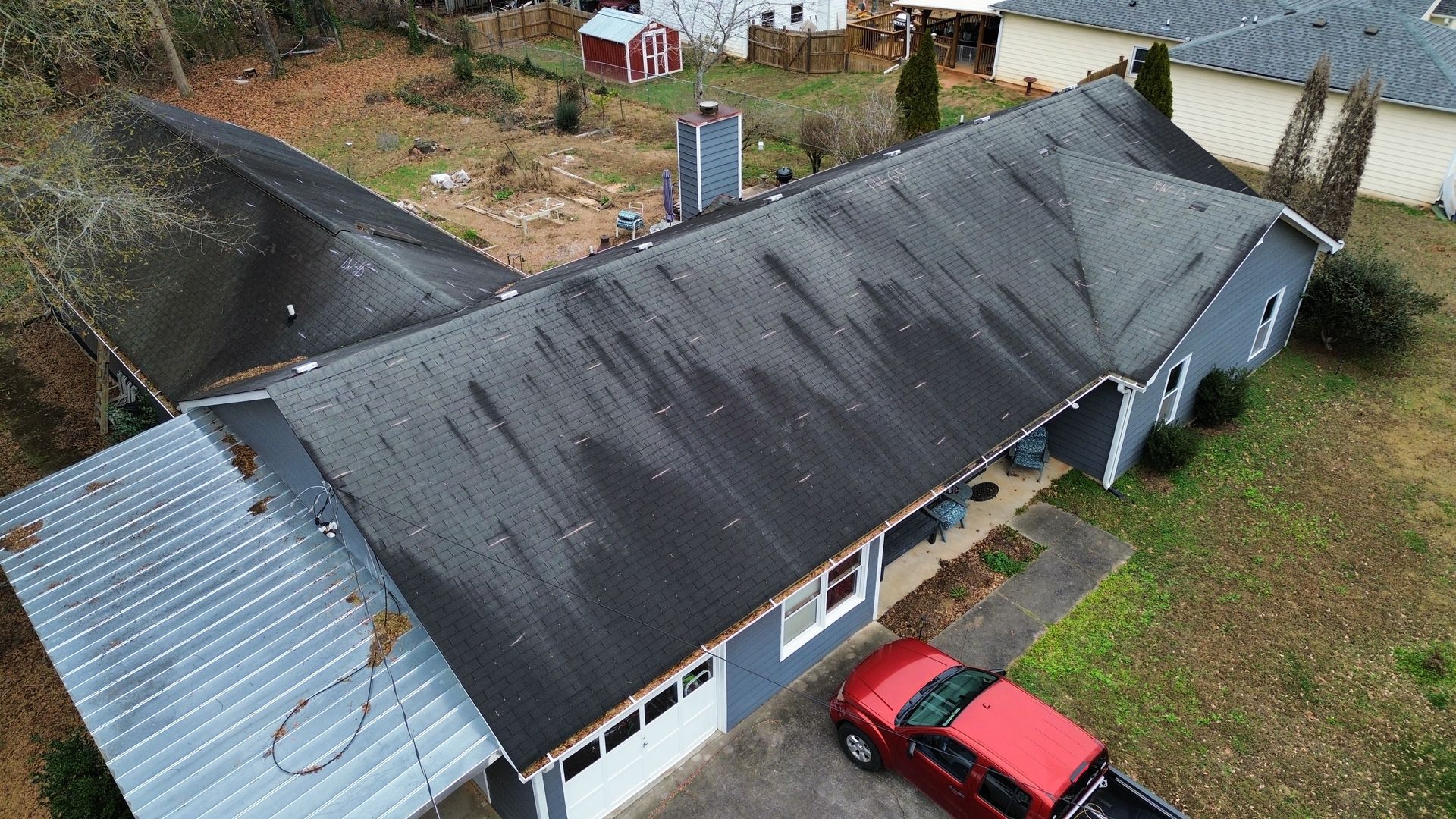
Learn the top signs of roof storm damage in Georgia, including wind and hail damage. Schedule a free roof inspection with American Eagle Roofing.
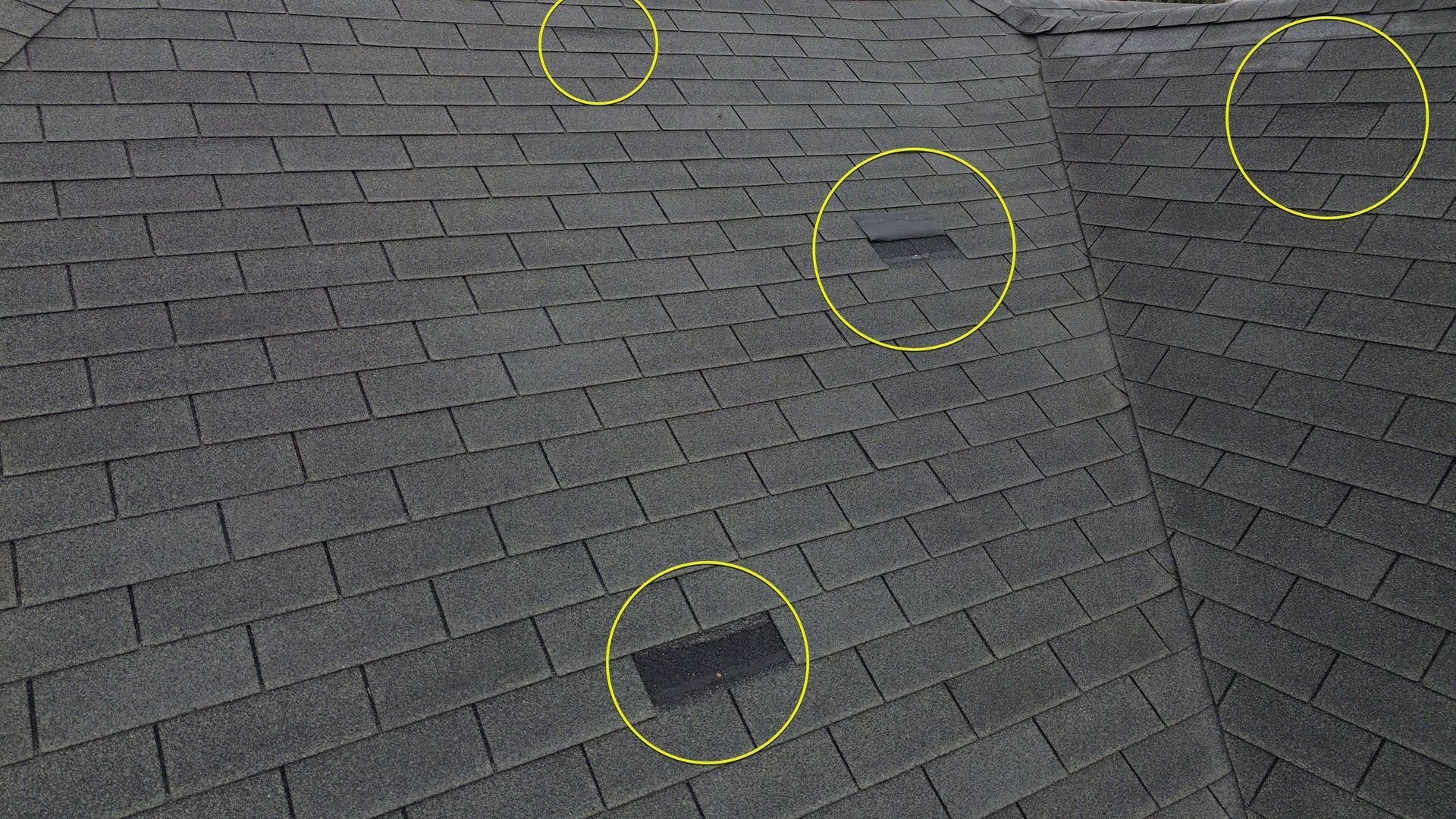
Learn the top signs of wind damage after a Georgia summer storm. Schedule a free roof inspection with American Eagle Roofing today.
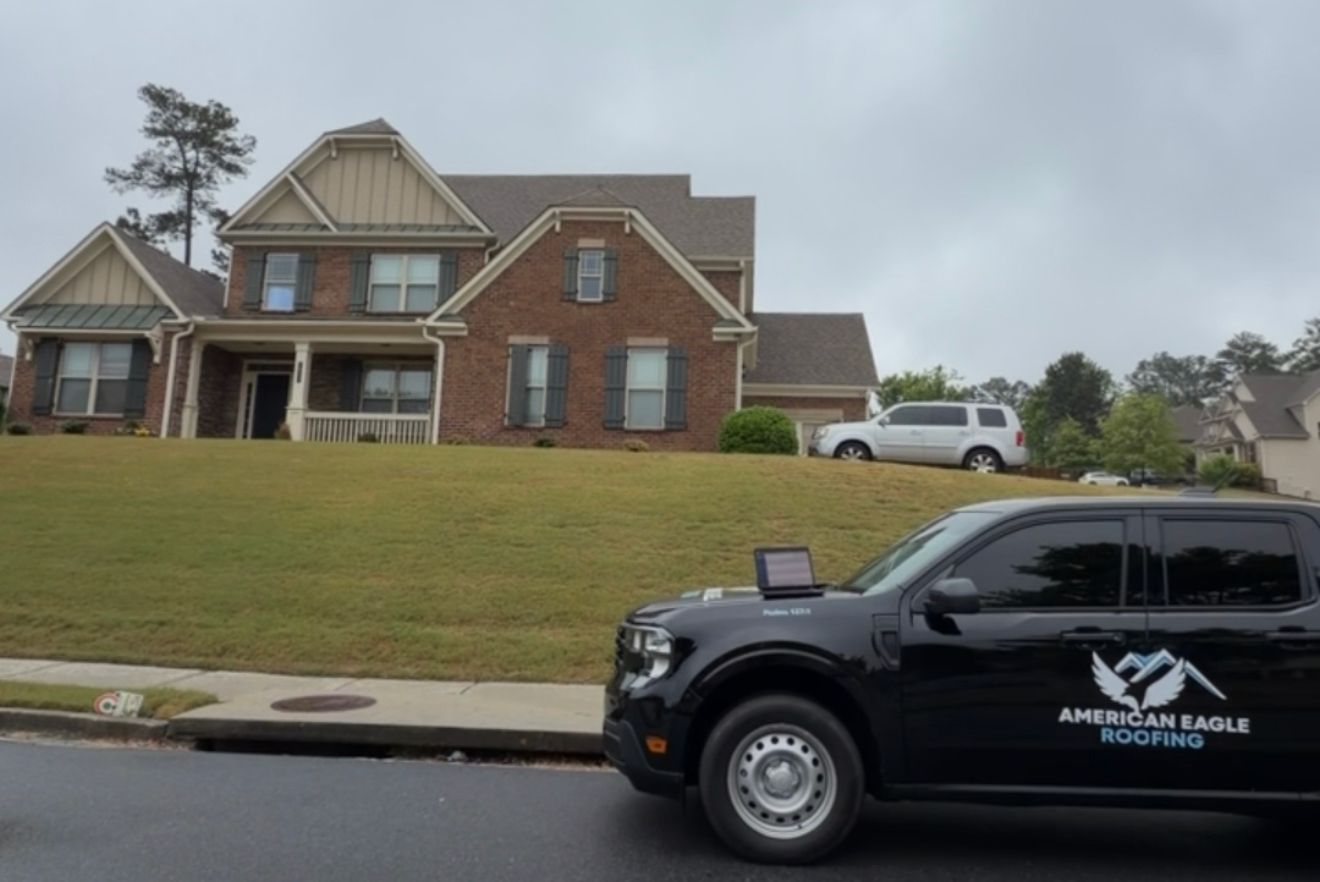
Recent storms in Metro Atlanta may have damaged your roof. Schedule a free roof inspection to catch problems early and see if insurance may cover repairs.
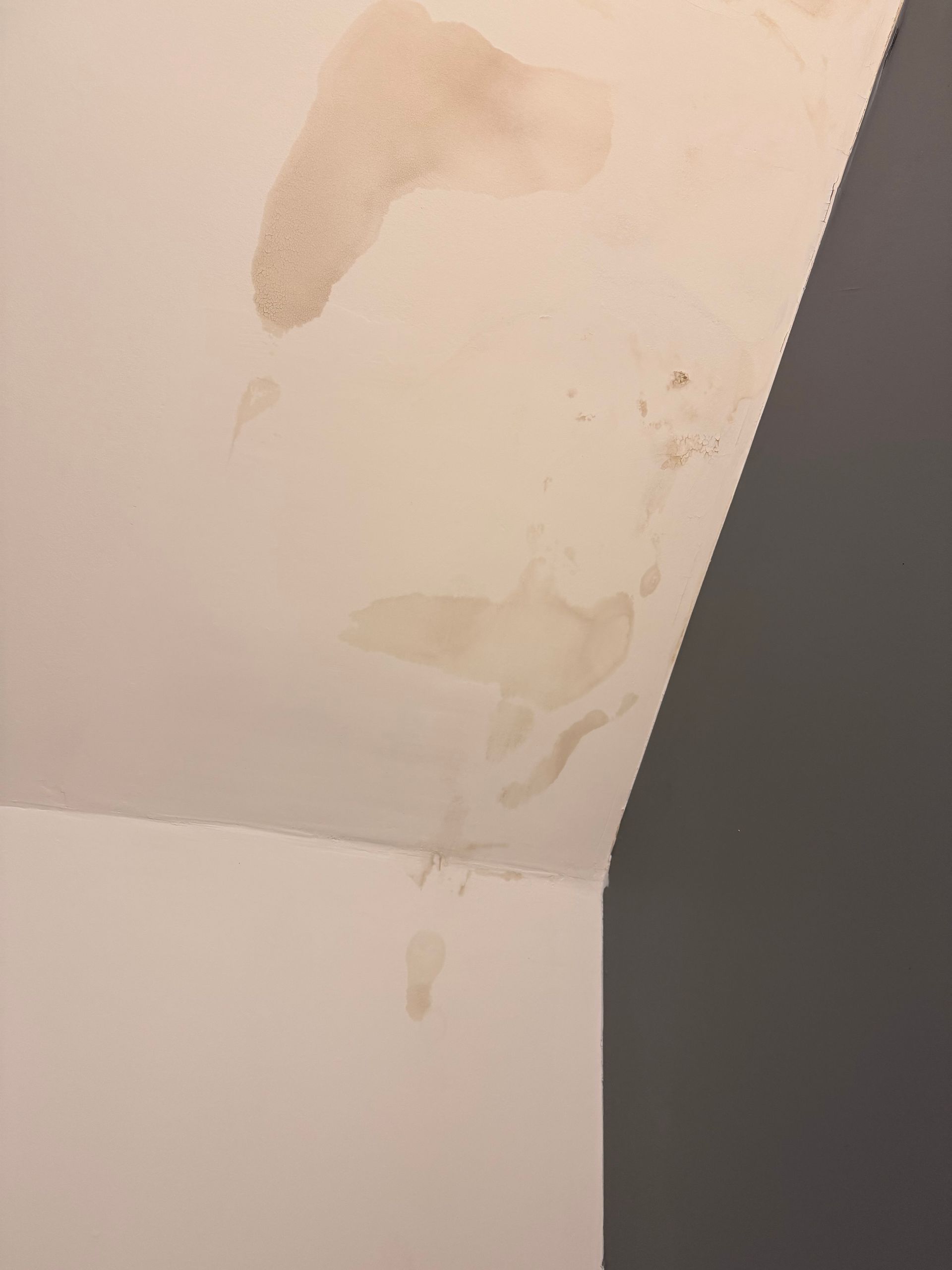
Learn why even small roof leaks can lead to major damage for Georgia homeowners. American Eagle Roofing provides expert roof inspections and roof repair services across Metro Atlanta and Gwinnett County.
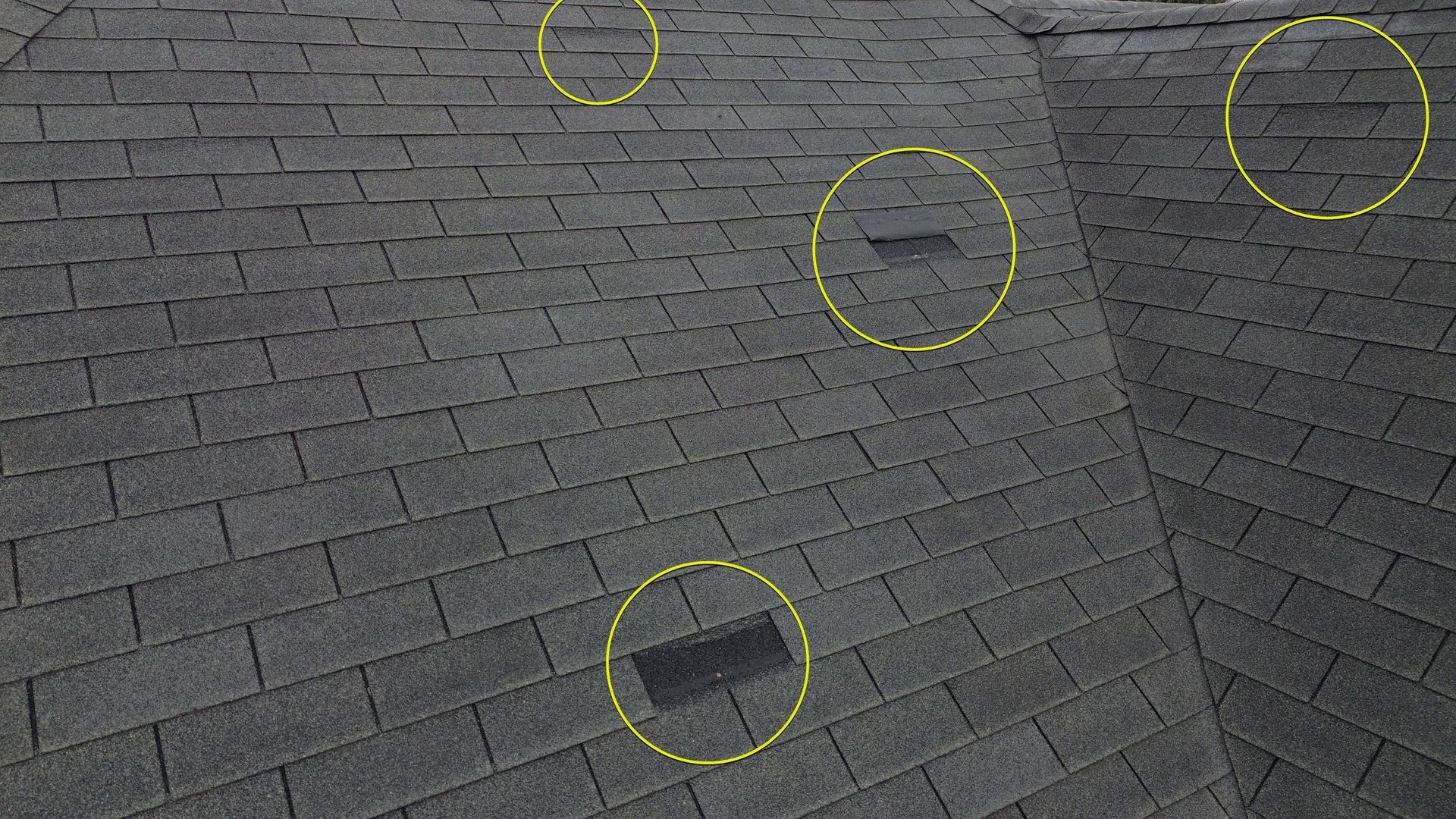
Think your roof may have storm damage? Learn the top warning signs Georgia homeowners should look for after heavy wind, hail, and storms. Free roof inspections from American Eagle Roofing.
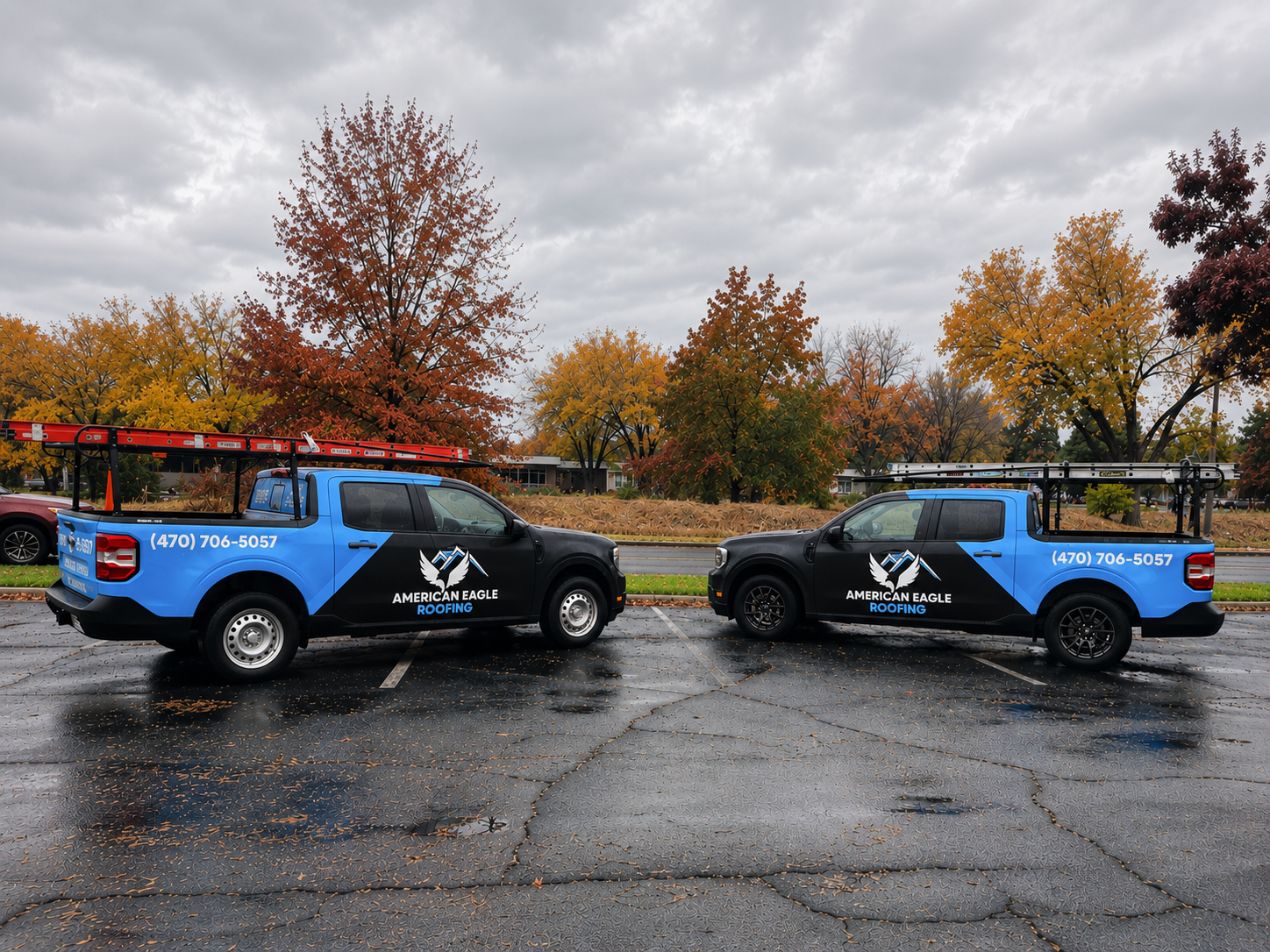
Protect your home this storm season with expert roofing services from American Eagle Roofing
. Learn the warning signs of roof damage and why spring roof inspections are essential for homeowners in Georgia and North Carolina.
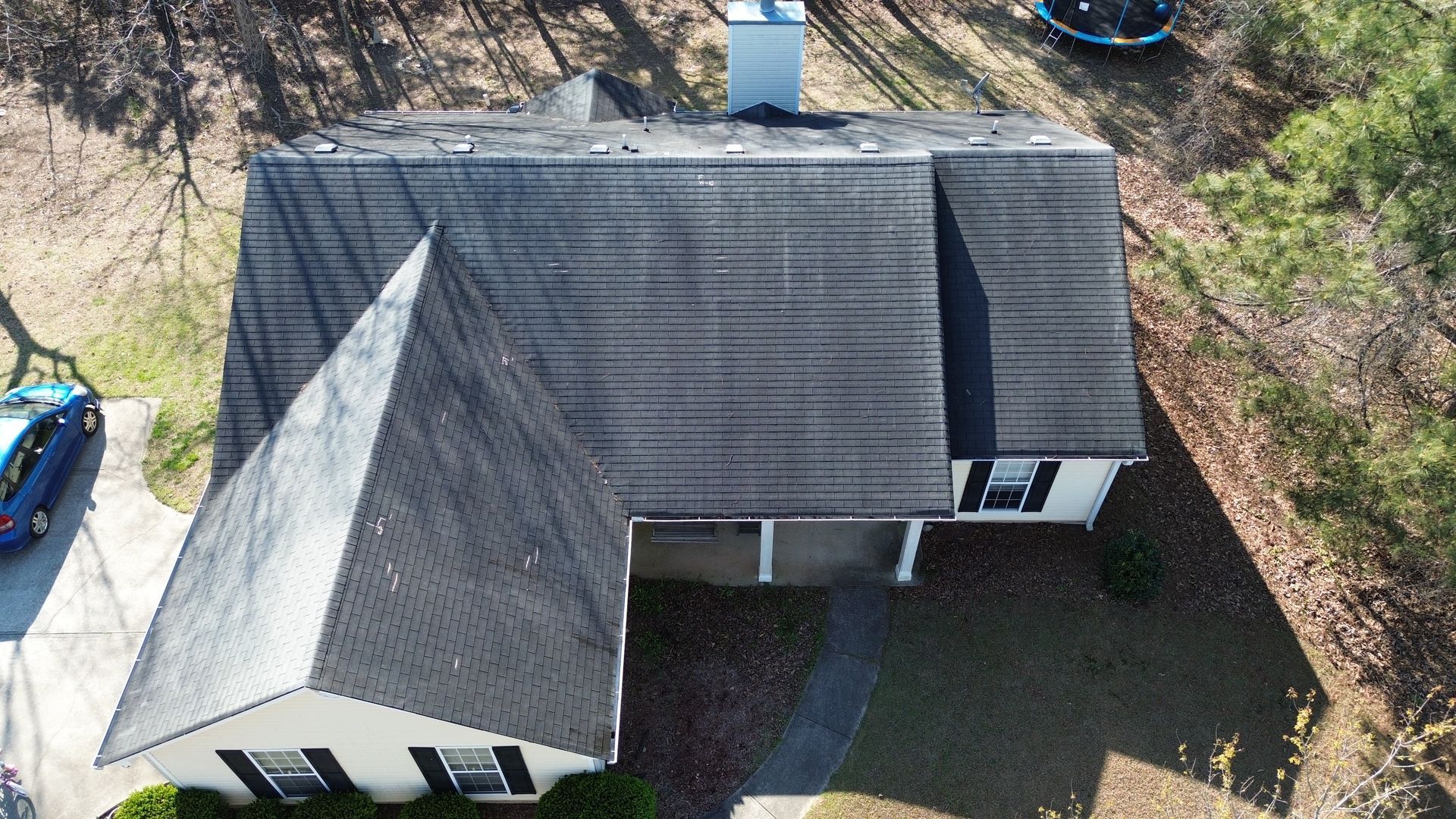
Wondering if it’s time for a new roof? Learn the top warning signs of roof damage and replacement for homes in Gwinnett County, GA. Free inspections from American Eagle Roofing.
Need roof repair or roof replacement in Gwinnett County, GA? American Eagle Roofing provides free inspections, storm damage assessments, and insurance claim assistance in Suwanee, Lawrenceville, Dacula, Buford, and surrounding areas.

Schedule your spring roof inspection in Gwinnett County, GA. American Eagle Roofing helps detect damage early and prepare your home for storm season. Free inspections available.
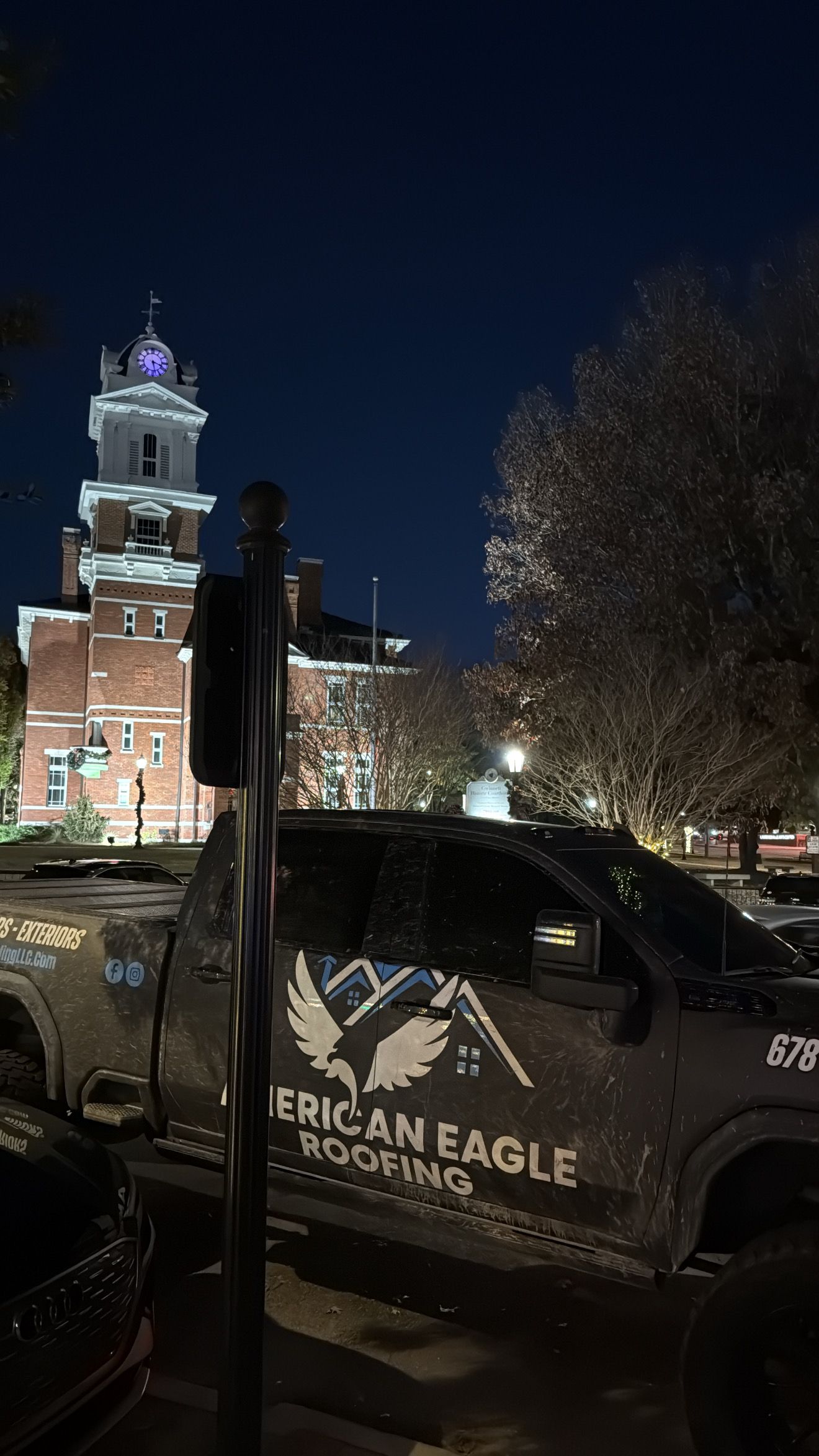
When it comes to protecting your home, choosing a local roofing company matters. You want a contractor who understands the area, knows the weather conditions, and is committed to serving the community long after the job is complete.
At American Eagle Roofing, we are proud to be your trusted local roofers serving Lawrenceville, Gwinnett County, and surrounding communities.