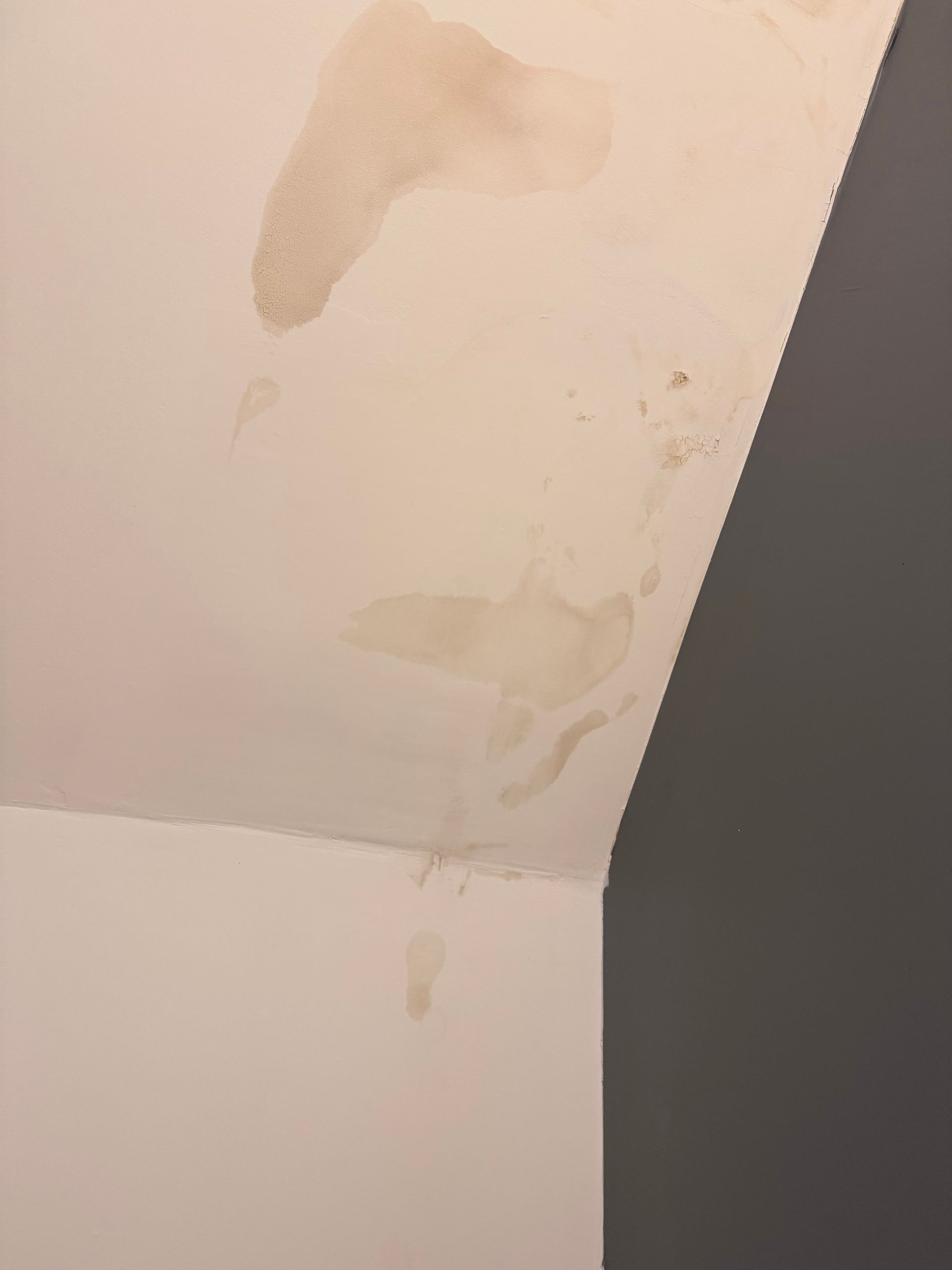
Why Georgia Homeowners Should Never Ignore a Small Roof Leak A small roof leak may not seem like a big deal at first. Maybe it’s just a water stain in the corner of a ceiling or a drip that only appears during heavy rain. But in reality, even minor roof leaks can quickly turn into major and expensive problems if left untreated. At American Eagle Roofing, we’ve seen firsthand how small roofing issues can escalate into full roof replacements, interior damage, mold growth, and structural repairs. Here’s why homeowners in Georgia should act fast the moment they notice signs of a leak.
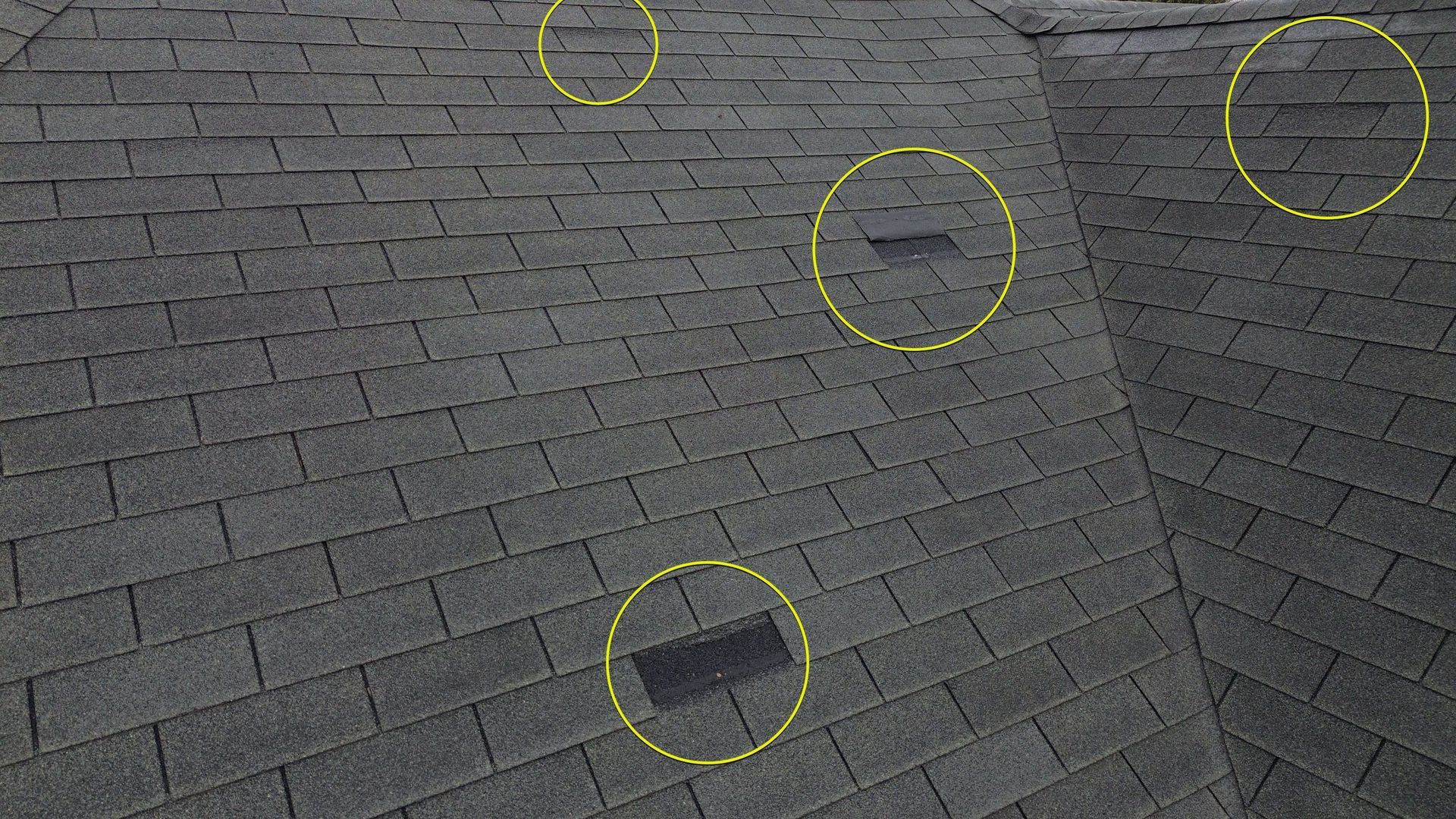
Think your roof may have storm damage? Learn the top warning signs Georgia homeowners should look for after heavy wind, hail, and storms. Free roof inspections from American Eagle Roofing.
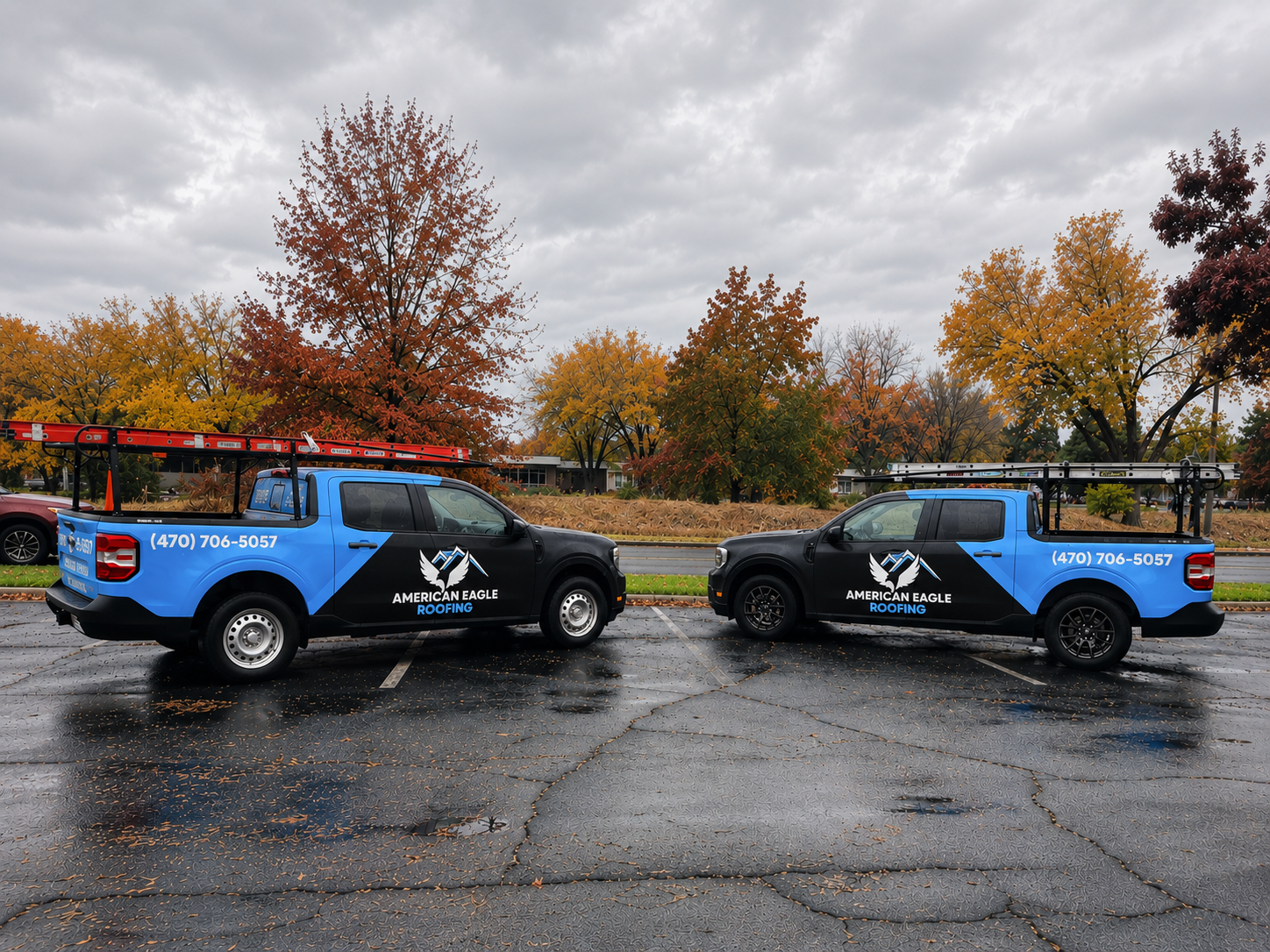
Protect your home this storm season with expert roofing services from American Eagle Roofing
. Learn the warning signs of roof damage and why spring roof inspections are essential for homeowners in Georgia and North Carolina.
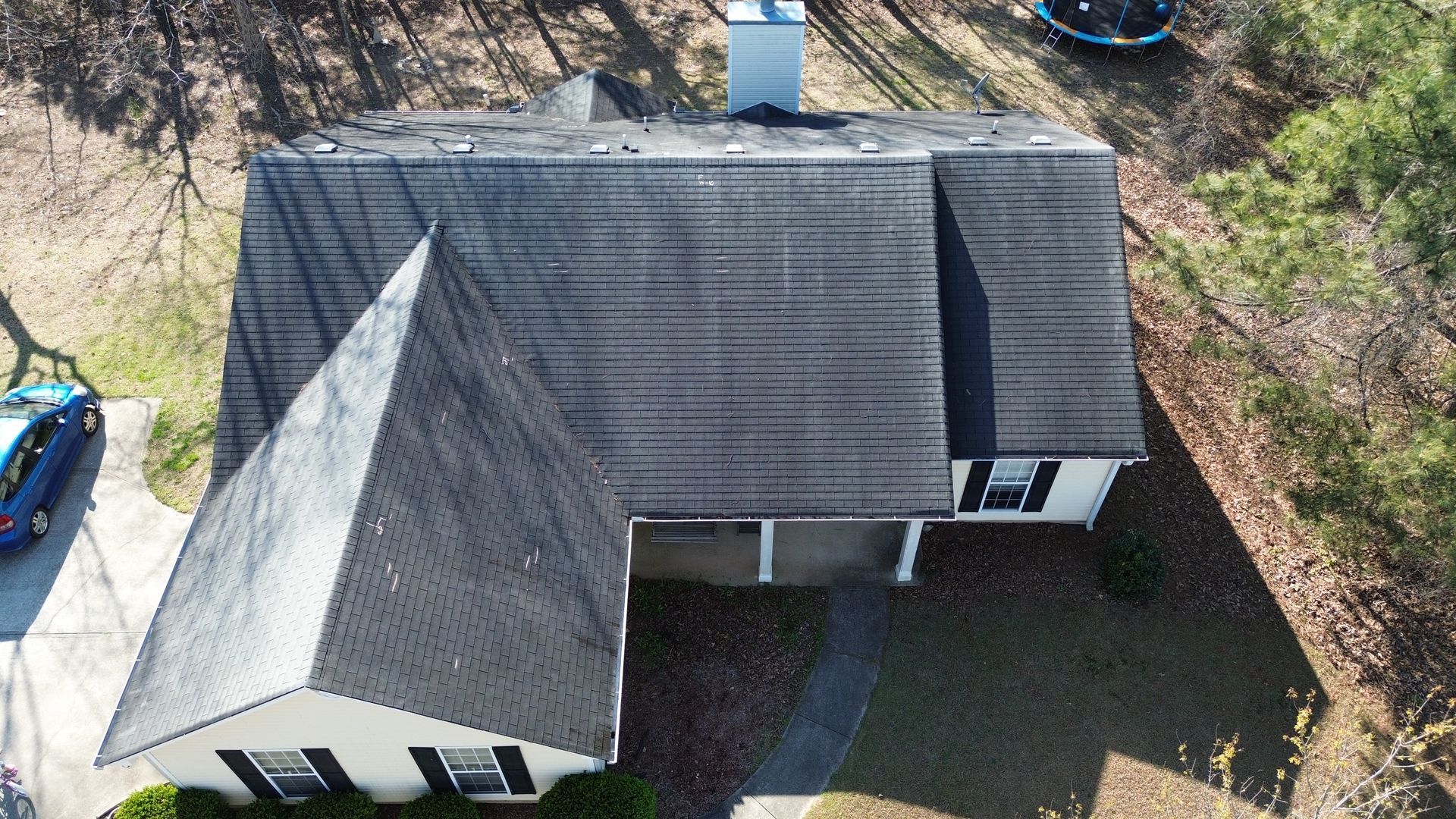
Is It Time to Replace Your Roof? 5 Signs Gwinnett Homeowners Shouldn’t Ignore Your roof won’t last forever—and knowing when to replace it can save you thousands in repairs. In areas like Gwinnett County, where heat, humidity, and storms hit hard, roofs tend to wear down faster than many homeowners expect. At American Eagle Roofing, we help homeowners make the right call before small issues turn into expensive problems.
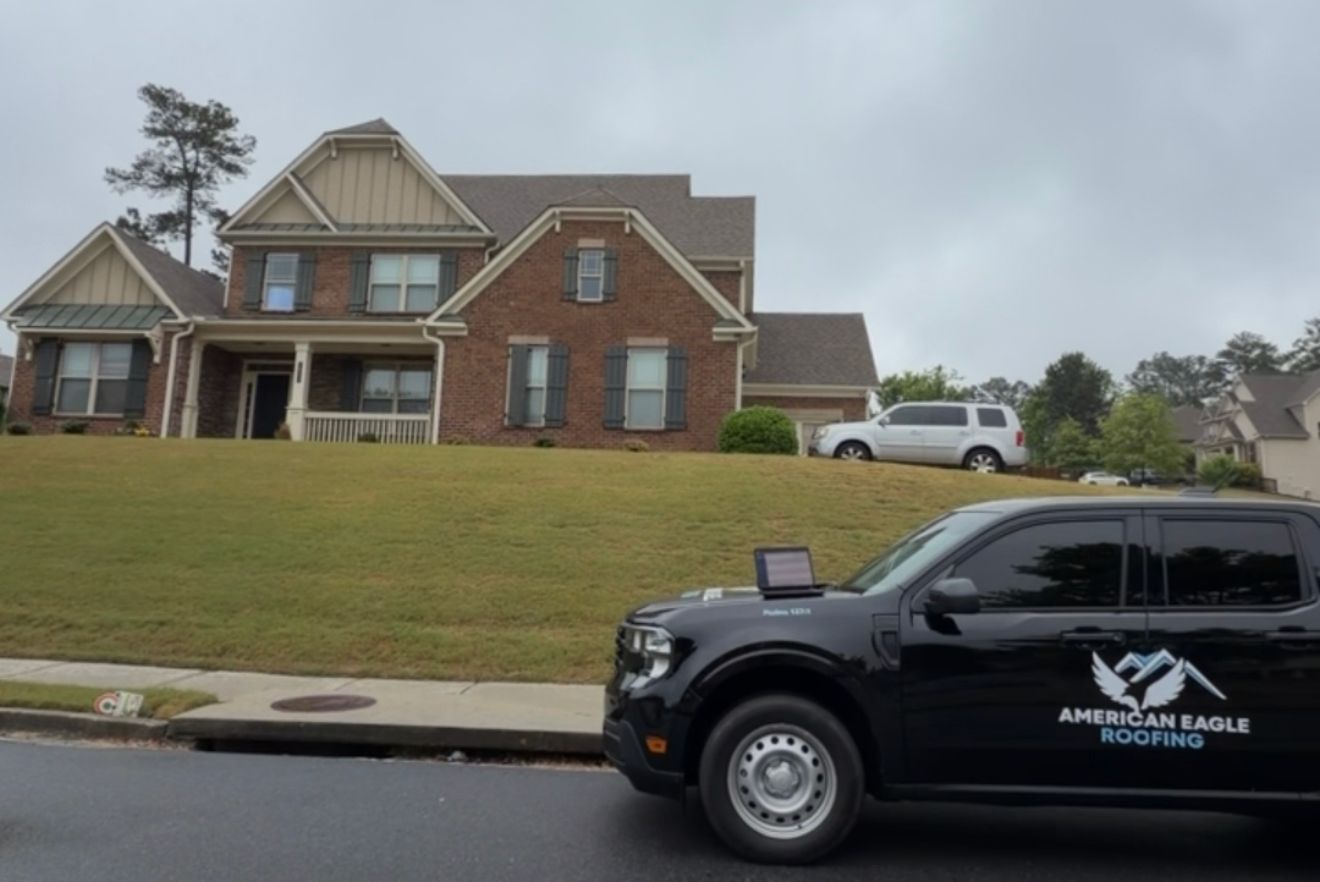
Roof Repair & Replacement in Gwinnett County: Storm Damage Guide for Homeowners (2026) If you live in Gwinnett County—including Suwanee, Lawrenceville, Dacula, or Buford—you’ve probably noticed how intense storms have been lately. Heavy rain, strong winds, and hail are common in this area—and they’re one of the leading causes of roof damage in Gwinnett County. If you’re searching for: roof repair Gwinnett County GA roof replacement near Suwanee storm damage roof inspection Lawrenceville roof insurance claim help Dacula This guide will walk you through exactly what to do next.

Why Spring Is the Best Time to Schedule a Roof Inspection in Gwinnett County As the weather warms up and storm season approaches, spring is one of the smartest times to have your roof professionally inspected. After months of winter rain, wind, and temperature changes, small roofing issues can develop without being obvious from the ground. Catching them early can save homeowners thousands in future repairs. At American Eagle Roofing, we help homeowners throughout Gwinnett County protect their homes with honest inspections, quality workmanship, and dependable service.
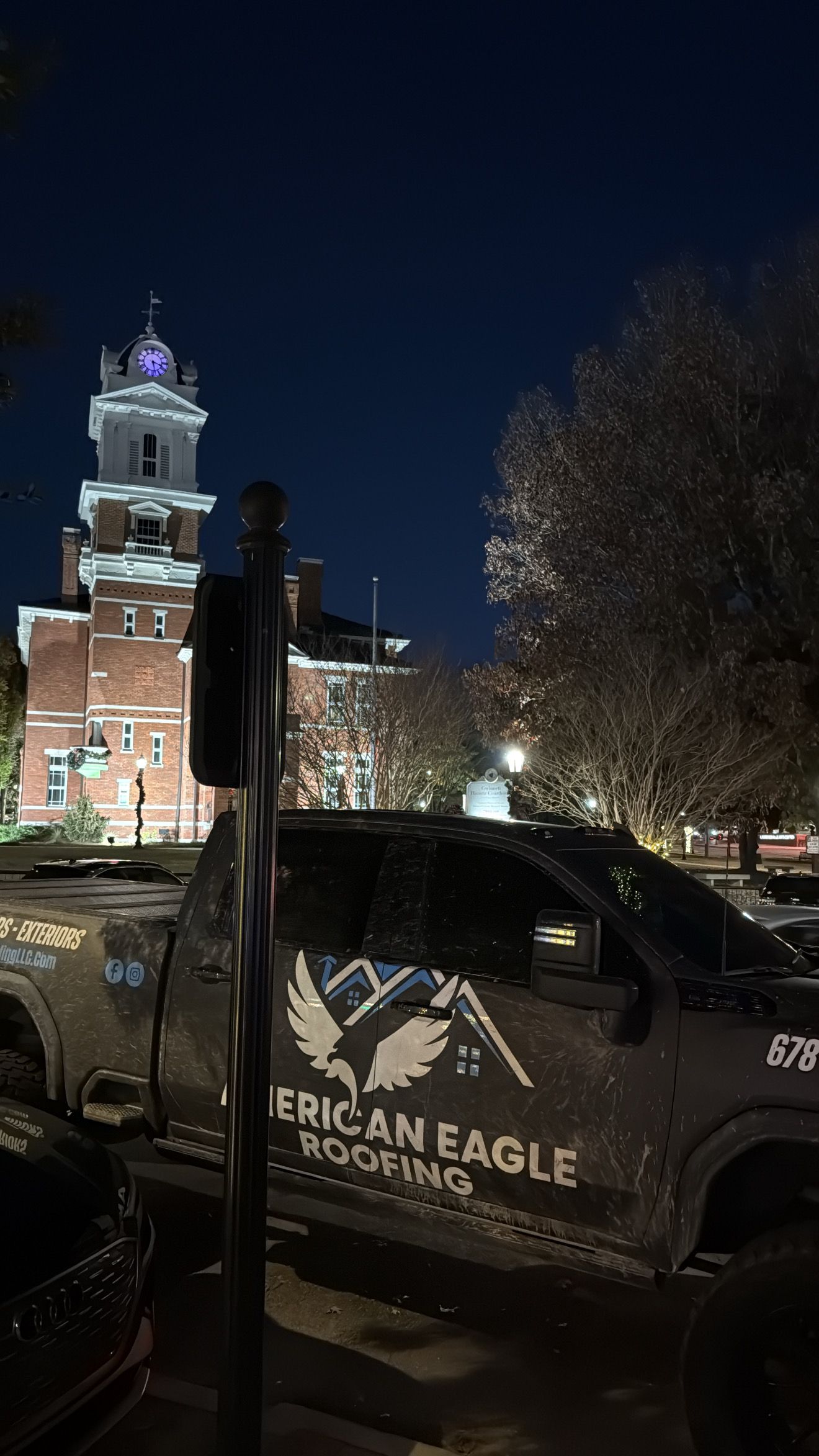
Your Trusted Local Roofers in Lawrenceville and Gwinnett County When it comes to protecting your home, choosing a local roofing company matters. You want a contractor who understands the area, knows the weather conditions, and is committed to serving the community long after the job is complete. At American Eagle Roofing, we are proud to be your trusted local roofers serving Lawrenceville, Gwinnett County, and surrounding communities.
7 Warning Signs Your Roof May Need Repair Before It Turns Into a Major Problem Your roof protects everything underneath it—but many homeowners don’t realize there’s an issue until water starts dripping inside the house. The good news is that roofs usually give warning signs before major damage happens. At American Eagle Roofing, we help homeowners catch roofing problems early so they can avoid expensive repairs later. Here are 7 signs your roof may need professional attention.
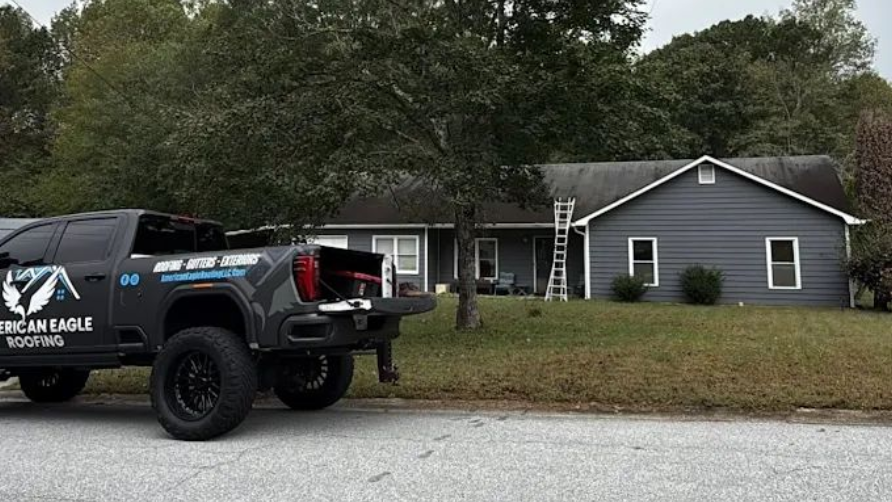
Get a free roof inspection in Gwinnett County, GA. American Eagle Roofing provides detailed inspections, storm damage assessments, and honest recommendations. Call today!
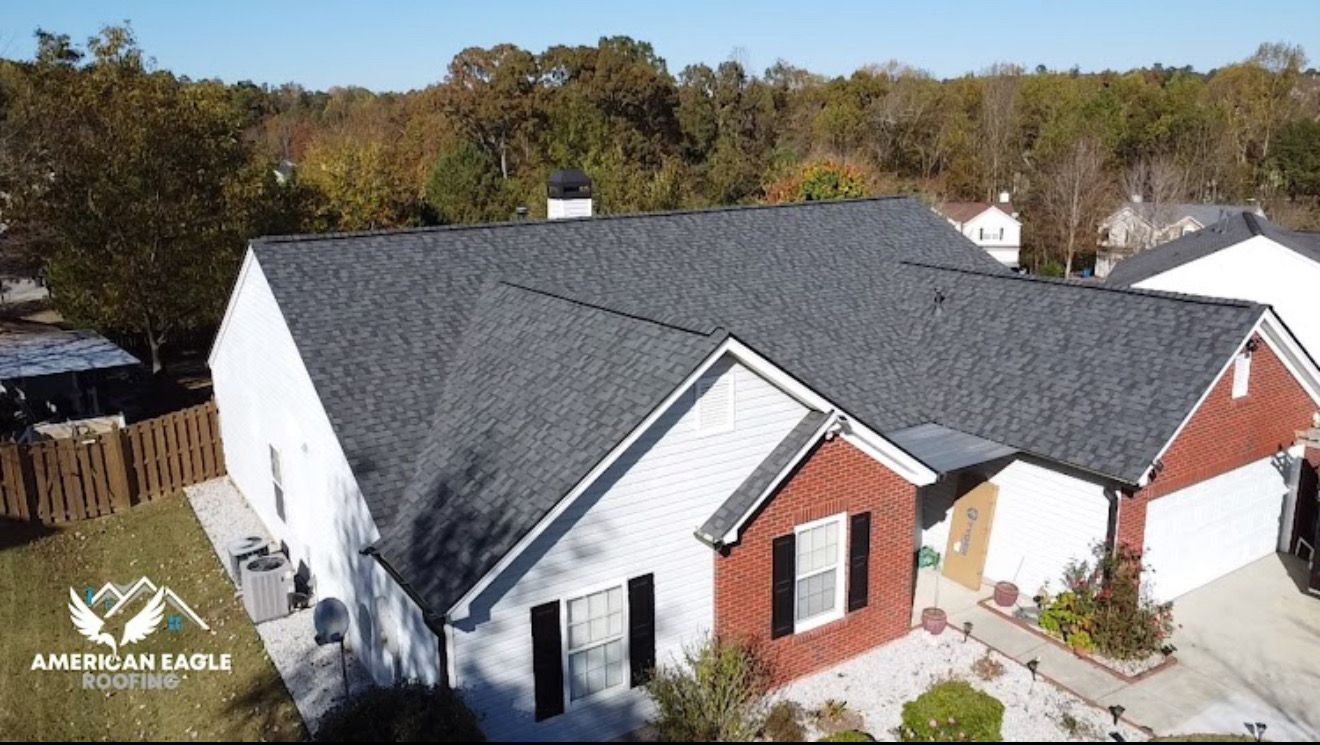
Need a roof replacement in Gwinnett County, GA? Get a free inspection with American Eagle Roofing. We handle insurance claims and provide fast, high-quality service.